
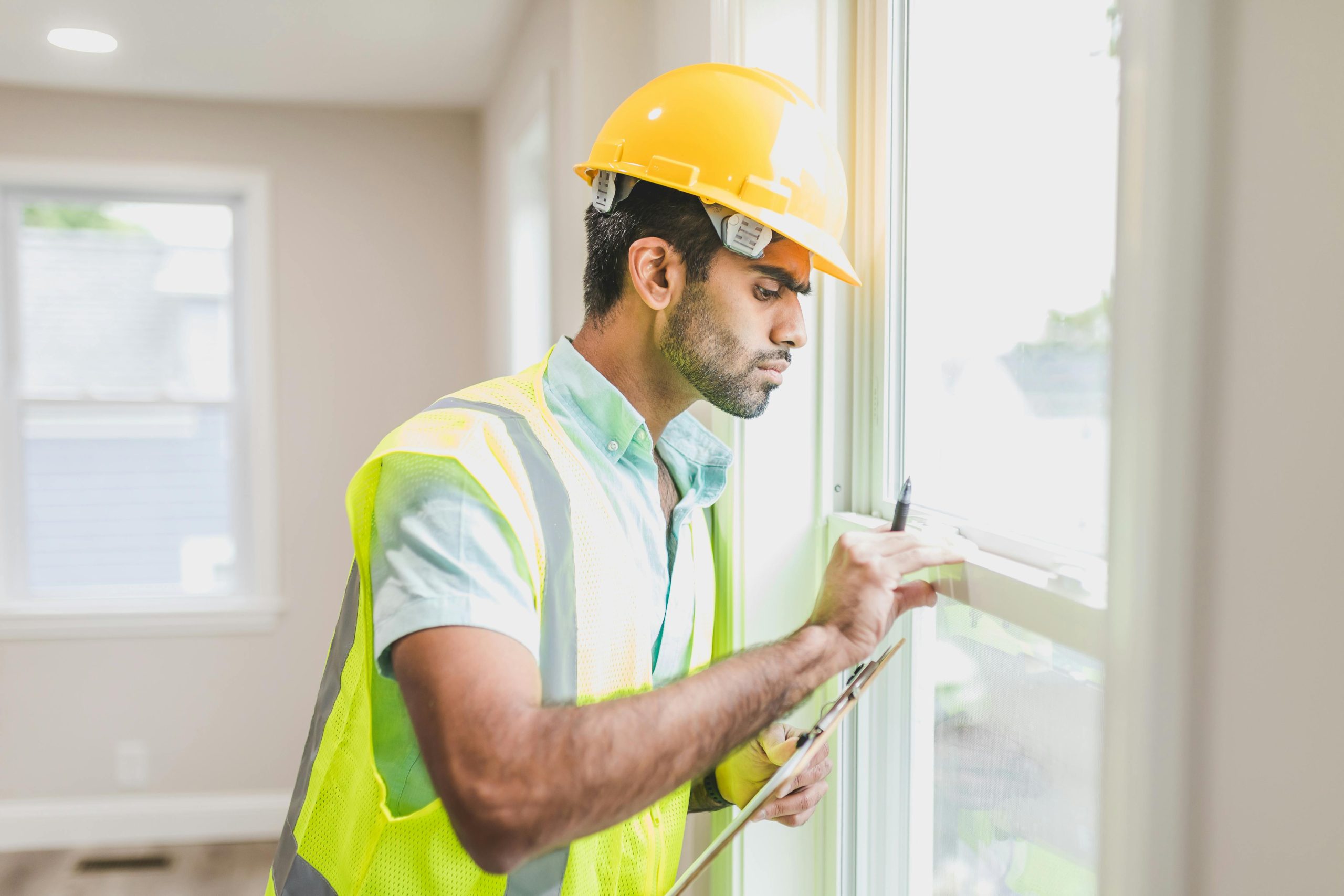
This guide will help you navigate the complex world of home inspection reports with ease. You’ll learn how to identify key areas of concern that may affect your investment and positive aspects that signify a well-maintained property. Understanding potential safety hazards and necessary repairs can empower you to make informed decisions during your home buying journey. By the end of this manual, you will feel confident in analyzing your inspection report and leveraging it to protect your interests.
Key Takeaways:
- Clear Definitions: The manual provides straightforward explanations of technical terms commonly found in home inspection reports, making them accessible to all readers.
- Step-by-Step Guidance: It includes a systematic approach to interpreting various sections of the report, ensuring that users can effectively identify key findings and areas of concern.
- Visual Aids: The inclusion of diagrams and charts enhances understanding, allowing homeowners to visualize potential issues within their property more easily.
Types of Home Inspection Reports
A variety of home inspection reports exist to cater to different needs and preferences. Understanding these types can enhance your appreciation for the inspection process and equip you with the knowledge necessary to make informed decisions. Below is a breakdown of the most common types of reports you may encounter:
| Type of Inspection Report | Description |
|---|---|
| Visual Inspection | Basic evaluation of a property’s condition, focusing on visible aspects. |
| Comprehensive Inspection | In-depth analysis covering a wide range of structural and mechanical systems. |
| Specialized Inspection | Targeted assessments for issues like mold, pests, or radon levels. |
| Pre-Listing Inspection | Conducted before listing a home for sale to identify potential deal-breakers. |
| New Construction Inspection | Evaluation of newly built properties to ensure compliance with codes and standards. |
After exploring these types, you will see how they serve different purposes. Knowing which type best suits your situation can lead to a smoother transaction and greater satisfaction with your home investment.
Visual Inspection
With a visual inspection, you’ll engage in an initial walkthrough of the property, where the inspector evaluates only the things that are readily visible and accessible. This type of inspection focuses on the general condition of the home, allowing you to identify potential problem areas such as roofing, siding, and windows. While it won’t examine into hidden issues covered by walls or other structures, it provides you with a solid understanding of the property’s overall state.
This can be particularly helpful when you’re considering a purchase and want a quick overview of areas that might need attention. The visual inspection acts as a preliminary check, guiding you towards a more comprehensive inspection if any red flags arise during this initial evaluation. After conducting a visual inspection, you’ll gain valuable insight into whether it’s wise to proceed with a more in-depth analysis.
Comprehensive Inspection
Inspection reports from a comprehensive inspection are more detailed and thorough, examining multiple facets of the property. Here, professional inspectors will assess various components, including but not limited to, the electrical system, HVAC units, plumbing, and structural integrity. Findings are typically documented in a detailed report that provides you with insights into both positive and negative aspects of the home.
Reports generated from a comprehensive inspection are invaluable because they not only reveal potential hazards, such as hidden leaks or electrical issues, but also highlight well-maintained areas that may require minimal investment. This nuanced understanding helps you prioritize repairs or negotiations, allowing for less substantial financial surprises down the road. After completing a comprehensive inspection, you’ll have a well-rounded understanding of your prospective home’s condition, setting the stage for informed decisions.
Step-by-Step Guide to Reading Home Inspection Reports
You may find home inspection reports overwhelming at first glance, filled with technical jargon and impressive numbers. However, understanding the report is important for making an informed decision about your potential property. By breaking down the report into manageable sections, you can easily interpret its findings and identify areas of concern that may need your attention.
| Aspect | Details |
|---|---|
| General Information | This section typically includes the age of the home, square footage, and other basic property specifics. |
| Major Systems | Look for evaluations on the roof, plumbing, electrical, and HVAC systems, as these can be expensive to repair. |
| Structural Components | Examine any foundation issues or structural weaknesses that may compromise the home’s integrity. |
| Conditions and Concerns | Find notes on existing issues, which may require urgent action or further evaluation by professionals. |
Key Sections to Focus On
There’s no need to stress about not understanding every detail in your home inspection report. Instead, prioritize key sections that can impact your safety and financial investment. Focus on areas labeled with a red flag or a severity rating, as these indicate significant problems that usually require immediate attention. Additionally, keep an eye out for any recommended repairs, as these reflect the inspector’s professional opinion on necessary fixes, and can help you negotiate the purchase price if needed.
Understanding Terminology
Inspection reports tend to include technical terms and phrases that may seem confusing. To navigate this effectively, start by familiarizing yourself with common inspection terminology. This will expedite your understanding and reduce the likelihood of misinterpreting findings. Pay close attention to phrases such as “deferred maintenance”, which suggests neglected home systems, or “warrantable condition”, indicating components that will likely need repair within a certain timeframe.
Reports often contain specific codes or acronyms as well. While it may seem daunting, many reports include a glossary, aiding your comprehension. Being clear on these terms helps you decipher the implications of the report, thus empowering you to make informed decisions about repairs and maintenance. The knowledge gained will not only bolster your negotiating position but also pave the way for responsible property ownership.
Important Factors to Consider
Once again, understanding your home inspection report requires a keen awareness of several important factors that can greatly affect both the property’s value and your future living experience. Here are a few key areas to focus on during your review of the report:
- Age of the home
- Condition of the building systems
- Environmental factors
- Location specifics
- Maintenance history
Perceiving these factors will aid you in making informed decisions regarding your property investment and will empower you to approach potential repairs and upgrades with a clear understanding of what lies ahead.
Age and Condition of the Home
An imperative consideration when reviewing your home inspection report is the age and overall condition of the home. Older homes often come with a unique charm, but they can also present numerous challenges. This can include outdated electrical systems, plumbing issues, and potential structural concerns. On the other hand, newer homes may boast modern features and compliance with current building codes but can still have hidden issues that need attention.
Evaluating the condition of major components, such as the roof, foundation, and HVAC systems, is equally as important. These elements not only affect your immediate living comfort but can also impact your long-term financial commitments. Ensuring you have a grasp on both the age and condition allows you to plan accordingly for repairs, renovations, or upgrades.
Environment and Location
Some homeowners may overlook the impact of the environment and location when reviewing the inspection report. Your property’s surroundings play a significant role in its overall value. Factors like proximity to schools, parks, shopping areas, and potential hazards (such as flooding or earthquake-prone regions) should be paramount in your considerations.
Location is fundamental in determining the future value of your home. Properties in desirable neighborhoods tend to appreciate more than those in less favorable areas. Moreover, understanding your home’s environment can reveal imperative details such as zoning laws, potential noise pollution, and community dynamics that could affect your quality of life. By paying close attention to these aspects, you can ensure that your home suits your lifestyle and financial goals.
Tips for Interpreting Findings
All inspection reports can seem overwhelming at first, so it’s important to approach them with the right mindset. To help you decipher the information effectively, consider these tips:
- Focus on the big picture before exploring into specifics.
- Pay attention to trends found throughout the property.
- Familiarize yourself with common terminology used in reports.
- Consult with your inspector for clarification on findings.
- Keep a list of immediate concerns that may require action.
Assume that each finding could have varying levels of importance; therefore, it’s vital to prioritize the issues that could affect your home significantly.
Highlighting Red Flags
If you encounter mentions of significant problems, these are often referred to as red flags. Such issues could include structural concerns, extensive moisture damage, or any signs of pest infestations. You should take these findings very seriously as they may indicate underlying problems that require immediate attention.
Once red flags are identified, it’s important to evaluate whether the issues are isolated or part of a larger pattern. This context can help you determine the necessary steps for remediation or negotiation with the seller. Ensure you have a clear understanding of the implications these red flags could have on your safety and finances.
Evaluating Severity and Urgency
On reviewing your inspection report, you will encounter various findings that may have different levels of severity and urgency. Start by categorizing each issue into tiers of priority. Some problems may be merely cosmetic, while others directly affect the structural integrity of your home or pose safety risks.
Evaluating the severity can require a bit of research. Look into typical repair costs as well as potential long-term implications for any recognized issues. Consult with professionals, such as contractors or specialized inspectors, if necessary, to get a clearer picture of what repairs will entail.
Flags indicating significant repair needs should be weighted heavily in your decision-making process. Structural damages, water leaks, and electrical issues are particularly concerning and typically require immediate remediation. Conversely, minor cosmetic defects like scratches or faded paint are often low priority, allowing you to concentrate more on vital repairs that impact your living conditions and safety. Your goal should be to address severe issues first, ensuring your home remains a secure and comfortable place to live.
Pros and Cons of Home Inspection Reports
Not every aspect of home inspection reports is beneficial, and understanding both sides can help you make an informed decision. Here is a brief comparison of the advantages and disadvantages:
| Pros | Cons |
|---|---|
| Provides a detailed assessment of the property’s condition | Inspection fees can add to your overall costs |
| Identifies potential issues before finalizing a home purchase | Reports may contain ambiguous language that requires expertise to interpret |
| Helps in negotiating fixes or price reductions with the seller | May lead to discovering unexpected problems that scare off buyers |
| Gives peace of mind regarding your investment | Some inspectors may miss critical issues |
| Serves as a useful tool for maintenance planning | In some cases, inspections may lead to over-negotiating repairs |
Benefits of Getting an Inspection
Inspection is a fundamental step in the home buying process that equips you with valuable insights. A thorough inspection report highlights the condition of major components such as the roof, plumbing, and electrical systems. Understanding these details can empower you to make well-informed decisions and prioritize repairs or upgrades in the future. Furthermore, armed with this information, you can engage in negotiations confidently, possibly securing a better deal or ensuring necessary repairs are completed before closing.
Additionally, an inspection provides you with peace of mind, allowing you to move into your new home without the looming anxiety of hidden defects. By uncovering potential liabilities, you’re not just purchasing a property; you’re investing in your future with an informed perspective. The benefits here extend beyond the inspection itself; it sets a proactive tone for ongoing maintenance and care after you become the homeowner.
Potential Drawbacks
Clearly, while home inspection reports come with significant advantages, they can also present challenges. The drawback most buyers encounter is the associated cost of inspections, which, depending on the size and location of the property, may deter some individuals from proceeding with the process. Furthermore, the potential existence of vague terms within the report can lead to misunderstandings, requiring you to seek clarification from professionals to interpret findings accurately.
With multiple aspects in mind, you could discover that an inspection may inadvertently uncover major issues, prompting you to reconsider your decision or uncover unexpected costs. This situation can be overwhelming and disheartening, especially if your budget is tight. Additionally, not all inspectors offer the same level of service, which raises concerns about whether vital problems are documented accurately. It’s imperative to weigh these potential drawbacks against the overall benefits of the home inspection process as you make your purchasing decision.
Summing up
Following this guide, you should now feel more confident in your ability to understand home inspection reports. By familiarizing yourself with commonly used terminology, key components to look out for, and the overall structure of these reports, you can make informed decisions about your property and any necessary maintenance. A thorough understanding of home inspection reports empowers you to address potential issues proactively and contributes to the longevity and safety of your home.
To deepen your knowledge further, consider exploring additional resources like the Guide to Home Inspections A Common Sense Approach. This kind of information can complement your understanding, helping you to navigate the complexities of home inspections effectively. With this knowledge at your disposal, you will be well-equipped to handle any home inspection report with ease and confidence.
FAQ
Q: What is a home inspection report and why is it important?
A: A home inspection report is a comprehensive document that provides an overview of the condition of a property after a professional inspection. It highlights any issues or areas of concern, including structural, electrical, plumbing, and safety aspects. Understanding this report is important for potential buyers, as it aids in making informed decisions about the property, discussing repairs with sellers, and budgeting for any necessary maintenance or upgrades.
Q: How can I effectively read and understand the terminology in a home inspection report?
A: Home inspection reports often contain specialized terms and jargon that may be unfamiliar. To effectively read these reports, take time to familiarize yourself with common terms used in construction and inspection. A user-friendly manual can provide definitions and examples, helping you decode the language of the report. Additionally, don’t hesitate to ask your inspector for clarification on any unclear terms.
Q: What should I pay particular attention to in a home inspection report?
A: Focus on sections of the report that highlight major issues or structural defects, such as the roof, foundation, and electrical systems. Look for any comments around safety hazards, such as faulty wiring or inadequate ventilation. It’s also vital to review any recommendations for further evaluations by specialists, as these can indicate more serious concerns that require immediate attention.
Q: What steps can I take after receiving a home inspection report?
A: After receiving your home inspection report, review it thoroughly and prioritize the issues identified. Decide if you want to negotiate repairs with the seller or ask for concessions. It’s also wise to consult with professionals for assessments on major repairs. Using the report as a guide, you can create a maintenance plan to address less critical issues over time and ensure the home remains in good condition.
Q: Can a home inspection report influence the sales price of a property?
A: Yes, a home inspection report can significantly influence the sales price of a property. If the report reveals serious issues, buyers may use this information to negotiate a lower price or request repairs before finalizing the sale. Sellers should also consider being proactive and addressing any critical concerns before listing the property, as a clean report can enhance buyer confidence and potentially lead to a higher sale price.
